Solar Panel Battery Bank Cost and Sizing Explained
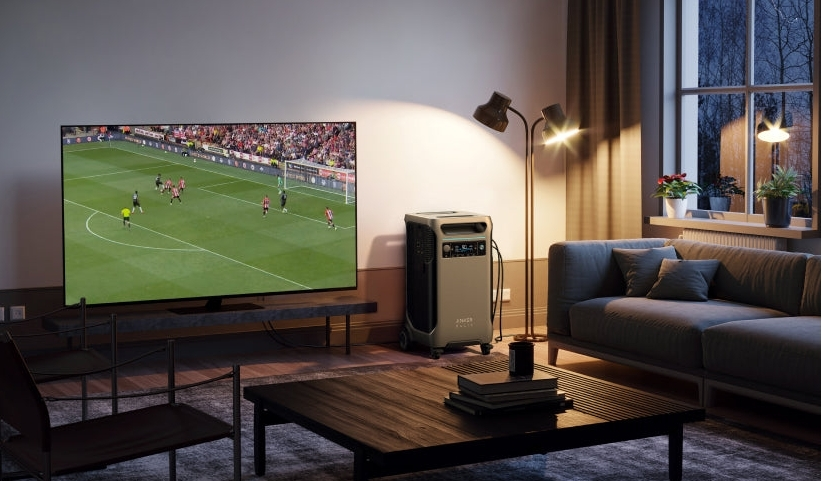
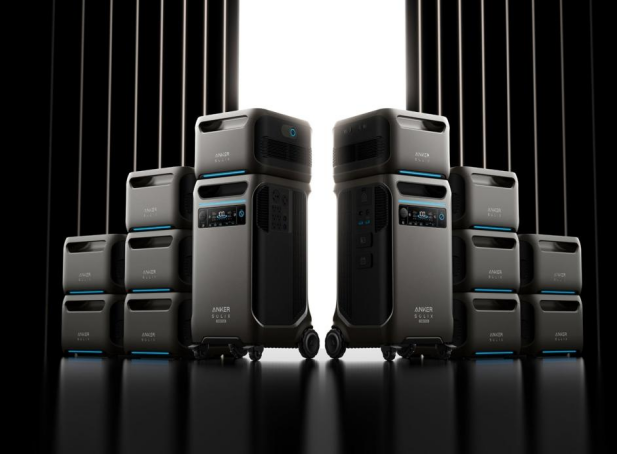
Solar panel battery banks are key components for energy independence and resilience. They store electricity generated from solar panels for use during nighttime or power outages. Choosing the right battery bank size involves understanding costs and energy needs. Proper guidance ensures that your investment aligns with your budget and lifestyle. Whether you seek backup for essentials or whole-home use, sizing and cost considerations are crucial. For instance, systems like the Anker SOLIX F3800 offer scalable options, providing flexibility from short-term outages to long-term energy storage. This blog breaks down costs, sizing, and provides scenarios to aid your decision-making in selecting the ideal solar panel battery bank system.
Understanding Solar Panel Battery Bank Costs
The cost of solar panel battery banks varies widely, influenced by several factors. Understanding these components ensures you manage both initial outlays and long-term investments effectively.
Core Cost Components in a Battery Bank System
Battery bank systems include several cost elements. The primary expense is the batteries themselves, with lithium-ion options, like those in Anker systems, generally costing more due to their efficiency and longevity. Other significant costs involve inverters, necessary for converting stored DC electricity to AC, and system controllers that manage battery charging and safety. Installation fees also contribute heavily, depending on complexity and labor rates. Additional accessories, such as cabling and mounting hardware, can affect pricing. By evaluating these components, you ensure informed purchasing, balancing upfront costs with functional benefits.
One-Time Purchase Costs vs Long-Term Ownership
Initial purchase costs often seem daunting, but evaluating lifetime expenses offers clarity. Lithium-ion systems, despite higher initial costs, usually provide greater value due to longer lifespans and higher efficiency. Regular maintenance is minimal, contrasting with cheaper lead-acid alternatives requiring frequent checks and replacements. Long-term ownership may incur less financial strain if opting for durable, quality components. Scalable systems, like the expandable Anker SOLIX F3800, offer futureproofing, allowing incremental upgrades without full system replacement. This ability potentially reduces costs by spreading investments and aligning with evolving energy needs.
How to Size a Solar Panel Battery Bank Correctly?
Correct sizing ensures operational efficiency and cost-effectiveness. Key calculations involve understanding energy consumption patterns to avoid undersizing or over-sizing, which impacts performance and expenses.
Calculating Daily Energy Use in Watt-Hours
Begin by listing all household devices, noting their power rating and usage duration. Multiply the wattage by hours used daily to determine watt-hours for each. Summing these provides the total daily energy consumption. This figure is essential in correctly sizing your battery bank, ensuring it meets daily needs. For example, if daily consumption is 3.84kWh, a system like the Anker SOLIX F3800 initially satisfies requirements, offering scalability for increased future needs. Accurate calculations prevent overspending on excessively large systems while avoiding undersized setups incapable of sustaining daily operations.
Peak Load Requirements and Appliance Demand
Peak load refers to the maximum energy draw at any given moment, essential when multiple high-demand appliances run simultaneously. Identify peak-consuming devices, noting concurrent usage. Calculate total wattage during peak times to determine load requirements. Ensuring your battery bank supports this demand is crucial, preventing system overloads or insufficient power supply. Systems capable of supporting peak loads, like expandable options in Anker SOLIX products, offer reliability and efficiency. Correct peak load management enhances system performance, safeguarding against potential interruptions during critical usage moments.
Planning for Backup Duration and Energy Reserves
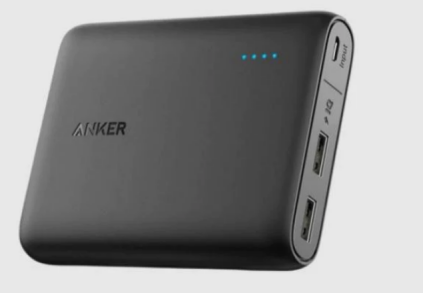
Deciding backup duration involves estimating how long energy should last without solar input. Consider typical outage durations in your area or personal preferences for energy independence. Calculate total energy needs over the desired period to determine the necessary battery bank size. Systems such as Anker’s can scale up to 53.8kWh, offering flexibility in backup length from days to weeks, accommodating various scenarios. In emergency planning, a solar power bank can provide additional reassurance for essential electronics. Tangential readiness prevents discomfort during extended outages, with sufficient reserves ensuring continued operation. Strategic planning satisfies immediate needs while accommodating potential future circumstances.
Cost Scenarios Based on Different Battery Bank Sizes
Battery bank size profoundly impacts overall system costs. With options to match diverse needs, here are typical scenarios based on size and intent.
Small Systems for Essentials and Short Outages
Small battery banks serve basic needs, ideal for powering essentials during brief outages. Typically supporting appliances like lights, a refrigerator, and small electronics, these systems minimize costs. Initial investments are lower, focusing on fewer batteries and simpler components. An example setup may involve a compact Anker SOLIX model. Perfect for budget-conscious households, they provide peace of mind without extensive financial outlay. Limited scalability constrains future upgrades, but concise component setups ensure essential operations during power disturbances.
Medium Systems for Partial Home Backup
Medium-sized setups sustain larger portions of households, powering additional appliances or sections. Costs rise compared to small systems, accommodating higher energy demands. Investing includes more robust batteries and components, covering key areas like kitchen and media equipment. Systems like Anker SOLIX at mid-range capacity offer formidable backup solutions. Medium setups balance investment with reliability, accommodating broader needs during outages, avoiding overextension without full energy independence. Scalability options remain, allowing future expansion aligned with growing consumption patterns.
Large Systems for Whole-Home or Off-Grid Use
Large battery banks enable complete home coverage or fully off-grid living. Costs reflect the comprehensive nature, requiring extensive batteries and robust systems. Energy independence is achieved, supporting all household devices without reliance on external power. Systems expandable like the Anker SOLIX F3800 to 53.8kWh offer profound capability. Full investment includes sophisticated management systems, installation complexity, and durable components. These setups offer unmatched reliability, accommodating entire homes during outages or off-grid scenarios, providing genuine autonomy and complete operational freedom.
Conclusion
Solar panel battery bank sizing and cost analysis guides decision-making, ensuring systems cater to unique household needs without financial overreach. Understanding cost components, calculating energy consumption, and matching system size with requirements curates investments that deliver optimal benefits. Whether managing essentials or achieving total home backup, systems like Anker SOLIX offer scalable solutions, providing flexibility and value. Your chosen battery bank configuration secures energy resilience, satisfying immediate needs while accommodating future growth. Proper evaluation ensures reliable, efficient, and cost-effective energy solutions.