Why Is a Portable Power Station Better Than a Pile of Power Banks?
Portable electricity is now essential, whether for charging phones or powering devices during an outage. Many households rely on multiple small power banks, assuming that more units mean greater readiness. Yet managing several small batteries often results in limited capacity, tangled cables, and uncertainty about remaining charge. A portable power station provides a more organized and capable solution—combining higher storage, stronger output, and broader compatibility into a single device that can be kept ready in a garage, closet, or car. This article explains the practical advantages, showing why one power station often outperforms a collection of individual power banks.

1. More Power Capacity
Stores far more energy than power banks
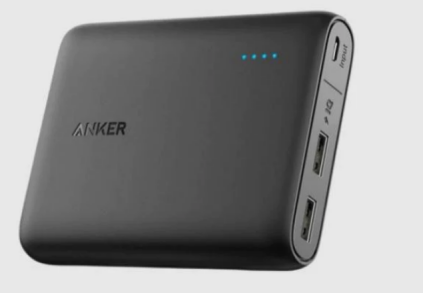
Power banks are designed mainly for smartphones and small electronics, which limits how much energy they can hold. A typical unit might recharge a phone a few times, but it cannot support larger needs for long. In contrast, a portable power station stores significantly more energy, often measured in hundreds or even thousands of watt-hours. This larger capacity makes it useful for households preparing for outages or extended trips. Instead of rotating between several half-charged power banks, one device can handle the workload more reliably. Greater storage also means fewer interruptions and less constant recharging.
Can run appliances, not just small devices
Small power banks usually provide USB output only, which restricts their use to low-power electronics. A portable power station includes AC outlets similar to wall sockets, expanding the range of compatible devices. Household items like lamps, routers, and small kitchen appliances can operate without special adapters. Output limits are clearly labeled in watts units, helping users match devices safely with available power. This capability transforms portable energy from a phone accessory into a practical household backup. The difference becomes especially clear during emergencies when larger appliances matter most.
2. Multiple Outlet Options
Includes AC, DC, and USB ports
A pile of power banks often means a mix of cables, adapters, and limited port types. Portable power stations simplify this by offering multiple outlet formats in one place. AC sockets handle traditional plugs, DC ports support specialty equipment, and USB ports charge everyday electronics. This variety reduces the need to carry extra accessories or search for the right connector. Families can power different devices at the same time without complicated setups. The all-in-one design keeps charging organized and efficient.
Powers laptops, lights, and gadgets at once
During travel or outages, several devices often need power simultaneously. A power station can run a laptop for work, lights for visibility, and phones for communication all at the same time. Multiple output ports distribute energy where it is needed most. Power banks, by comparison, often handle only one or two small devices before running empty. The ability to support many devices at once makes a single larger unit more practical. This is especially helpful for families or group settings where shared power is essential.
3. Handles Heavy-Duty Devices
Runs tools, mini-fridges, or medical equipment
Certain situations require more than just charging electronics. Home repairs, camping trips, and emergencies may involve tools, portable refrigerators, or medical devices. These items demand higher output levels than small batteries can provide. A portable power station is built with stronger inverters and larger batteries to support these needs safely. This capability makes it a versatile tool for both planned activities and unexpected events. The flexibility to run essential equipment adds significant practical value.
Power banks can't support high-wattage items
Power banks are not designed for appliances that draw substantial power. Attempting to use them for high-demand devices can lead to shutdowns or damage. Portable power stations are engineered with higher wattage limits and built-in protections to handle heavier loads. Clear displays show how much power is being used in real time, reducing guesswork. This helps users avoid overloading the system while keeping important equipment running. The difference in performance highlights why larger units are better suited for serious energy needs.
4. Better Long-Term Value
Buying multiple power banks over time can cost more than investing once in a larger, more capable system. A portable power station combines many functions into a single device, reducing clutter and replacement cycles. Models such as the Anker SOLIX F2000 Portable Power Station illustrate this long-term approach by offering substantial capacity, durable battery chemistry, and the ability to power numerous devices at once for home backup or travel use. With fast recharging, app-based monitoring, and optional expansion batteries, this type of system adapts as energy needs grow rather than becoming outdated quickly. Instead of replacing several small batteries every few years, one reliable unit can serve for a much longer period. Over time, this reduces both cost and electronic waste while improving convenience.
5. Safer and Easier to Manage
Built-in surge protection and cooling
Managing several power banks at once increases the chances of overheating, overcharging, or misplaced cables. Portable power stations are designed with integrated cooling systems and electronic protections to reduce these risks. Surge protection helps shield connected devices from unexpected voltage changes. Safety systems automatically adjust or shut down output if limits are exceeded. These features make larger units more dependable for continuous use. Families benefit from backup power with added peace of mind.
One device to charge and monitor
Keeping track of multiple small batteries can be frustrating, especially during an emergency. A single power station centralizes charging, monitoring, and maintenance. Many units include screens or apps that show battery levels and output clearly. This reduces uncertainty and makes energy management straightforward. Instead of searching for which power bank still has charge, one device provides a clear overview. Simplified management is a major advantage when reliable power matters most.

Conclusion
While power banks remain useful for quick phone charging, they cannot match the versatility of a portable power station. Larger capacity, stronger output, and multiple outlet types make one unit more practical than several small batteries. From emergencies to travel and home projects, the broader capabilities support real-life energy demands. Safety features and easier monitoring further improve reliability and convenience. For households seeking dependable portable electricity, a well-designed power station offers a more complete and long-lasting solution.