What Size Camping Solar Panels Do You Actually Need?
Camping has changed a lot over the years. Many campers no longer want to fully disconnect from power. Phones need charging. Lights make nights safer. Some people even bring small fridges or laptops. This is why camping solar panels have become so popular. But one question comes up again and again: What size camping solar panels do you actually need? The answer depends on how you camp, what devices you use, and how long you stay outdoors. Choosing a panel that is too small leads to dead batteries. Choosing one that is too large wastes money and space. This guide breaks the process down step by step. You will learn how to calculate your power needs, understand common panel sizes, and see what factors affect real-world performance. By the end, you will know how to choose camping solar panels that fit your trips, not someone else’s setup.
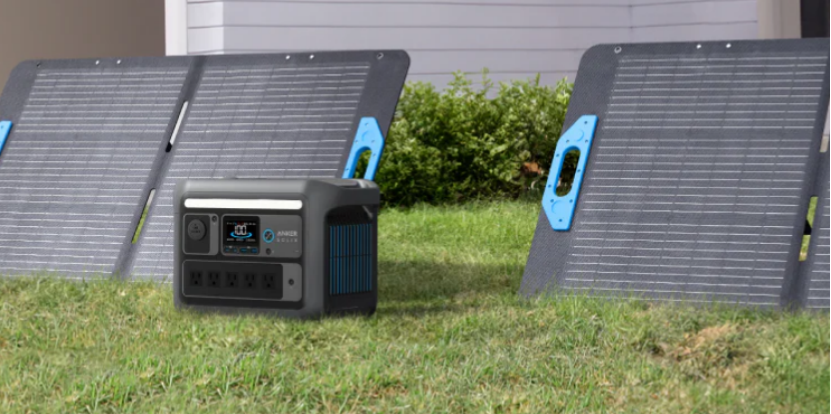
How Much Power Do You Really Need for Camping?
Before looking at panel sizes, you need to know how much power you actually use. This step matters more than anything else.
List the Devices You Plan to Use
Start by writing down every device you plan to bring. Be honest. Common camping devices include phones, headlamps, LED lights, power banks, cameras, portable fans, and small coolers. Some campers also use tablets, drones, or CPAP machines. Do not guess. If you bring it, list it. Even small items add up over a full day. Many people underestimate how often they charge their phones or how long lights stay on at night.
Check Each Device’s Wattage Rating
Next, check how much power each device uses. You can usually find this on the device label or charger. It may list watts (W), volts (V), and amps (A). If watts are not listed, multiply volts by amps to get watts. For example, a phone charger may use 10 watts. A portable fridge may use 60 watts when running. Write these numbers next to each device. This step gives you real data, not guesses.
Estimate Daily Usage Time in Hours
Now estimate how many hours per day each device runs. A phone may charge for two hours. Lights may stay on for five hours at night. A fridge may cycle on and off all day. Multiply the watts by the hours to get watt-hours (Wh). Add all devices together. This total shows how much energy you need per day. This number guides your camping solar panels choice more than any marketing claim.

What Solar Panel Sizes Are Best for Camping?
Camping solar panels come in many sizes. Each size fits a different camping style.
Small Panels (20W–50W) for Light Use
Small panels work best for short trips and minimal gear. They can charge phones, GPS devices, and small power banks. Backpackers and solo campers often choose this range because the panels stay light and compact. However, small panels charge slowly. Cloudy weather can stop charging completely. If you only need emergency power or basic phone charging, this size works. If you need more, it will feel limiting fast.
Medium Panels (60W–120W) for Weekend Trips
Medium panels suit most casual campers. They can handle phones, lights, cameras, and small battery stations. Many weekend campers choose this range because it balances power and portability. These camping solar panels perform well in decent sunlight. They also recover better after cloudy days. If you camp two to three days and want comfort without heavy gear, this size often makes sense.
Large Panels (150W–300W) for Extended Camping
Large panels fit long trips and higher power needs. They can support portable fridges, laptops, and multiple devices at once. Families and van campers often choose this range. The downside is size and weight. Large panels take space and need setup time. If you stay in one spot for several days, the extra power pays off. For short trips, it may be more than you need.
Key Factors That Affect the Solar Panel Size You Need
Panel wattage alone does not tell the full story. Real-world conditions matter.
Available Sunlight and Peak Sun Hours
Sunlight changes by location and season. A 100W panel does not produce 100W all day. It only reaches peak output during strong sunlight hours. If you camp in forests, mountains, or cloudy regions, expect lower output. In these cases, you may need larger camping solar panels to meet the same daily needs.
Panel Efficiency and Cell Type
Not all panels convert sunlight equally. Higher efficiency panels produce more power in less space. This matters when roof or ground space is limited. Efficient panels cost more, but they help when you want smaller gear with better performance. Efficiency matters more than raw watt numbers alone.
Portability, Weight, and Storage Space
Power means nothing if you cannot carry or store the panel. Backpackers value weight. Car campers care about trunk space. RV users focus on mounting options. Always balance power needs with how you travel. A slightly smaller panel that you actually use beats a large panel left at home.
Weather Conditions and Seasonal Use
Cold weather reduces battery performance. Heat lowers panel efficiency. Snow and dust block sunlight. If you camp year-round, size up your camping solar panels to handle tough conditions. If you only camp in summer, moderate sizing usually works fine.
Conclusion
Choosing the right size camping solar panels is not about buying the biggest option available. It is about matching power to your real needs. Start by listing your devices. Calculate daily energy use. Then choose a panel size that fits your camping style, trip length, and environment. Small panels work for light users. Medium panels suit most weekend campers. Large panels support long stays and higher comfort. Sunlight, efficiency, and portability all affect performance in the real world. When you size your system correctly, solar power feels effortless. Devices stay charged. Nights stay bright. Trips stay stress-free. With the right planning, camping solar panels become one of the most useful tools you can bring outdoors.