What Should You Compare Between Solar Battery Systems?
Comparing solar battery systems requires more than placing capacity figures side by side. A useful comparison asks how each system fits into the home as a complete energy asset. Where can electricity come from? How does power reach household loads? Can the system respond to different tariffs? What information can the homeowner monitor? How easily can the setup change as energy needs evolve? These questions reveal differences that a single specification cannot show. A structured comparison should therefore follow the battery from installation through daily operation and long-term household use.

Compare How Each System Moves and Manages Energy
Map Every Route Electricity Can Take
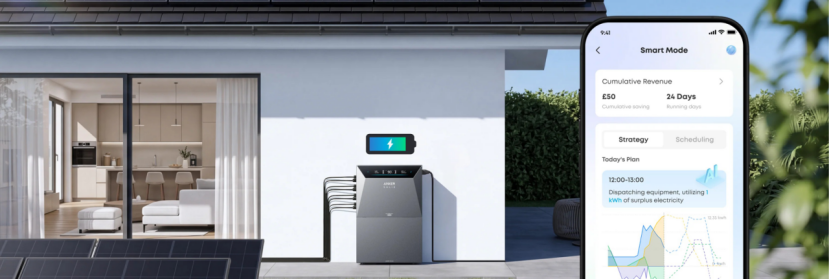
Start by drawing a simple energy map for each system. Include solar panels, battery storage, the grid, household loads, and any dedicated output path described by the manufacturer. Then add the specified power ratings to each relevant route. This makes product specifications easier to interpret in practical terms. The Anker SOLIX Solarbank 4 E5000 Pro, for example, supports up to 5,000 W of solar input, provides 2,500 W of on-grid AC output, and includes a built-in 2,500 W off-grid port. A system comparison can therefore examine more than stored kilowatt-hours. It can show how electricity enters storage and which routes allow that stored energy to return to household equipment during different operating situations.
Look at Solar Collection as Part of the System
Battery capacity becomes more meaningful when compared with the solar setup feeding it. Check supported panel arrangements, solar input, and the system’s approach to managing different solar inputs. Solarbank 4 E5000 Pro uses four MPPTs and supports 4 to 12 panels. Anker states that supported configurations can generate up to 5,586 kWh annually under its stated conditions. When comparing systems, relate these solar specifications to the household’s planned array rather than reading them as isolated numbers. The same principle applies when searching for a lightweight solar battery or any other physical product characteristic: first identify the practical requirement, then compare the specifications that directly answer it. This keeps the comparison tied to the installation rather than to one appealing label.
Examine What the System Knows About Your Home
Energy management deserves its own comparison category because modern battery systems can interact with much more than solar generation. Check what each system can measure and how that information relates to household electricity flow. Solarbank 4 E5000 Pro works with Smart Meter Gen 2 for real-time monitoring. Its dual-circuit design monitors the main grid, while the second channel can track third-party solar output or provide active circuit overload protection. It is also compatible with Octopus and more than 870 tariffs. These details describe the information environment surrounding the battery. A comparison can ask whether the system provides the measurements and tariff compatibility relevant to the homeowner’s intended energy strategy, rather than simply counting how many connected features appear on a specification sheet.
Compare What Ownership Looks Like Over Many Years
Separate Starting Capacity From Expansion Range
A comparison becomes more informative when it distinguishes the system purchased initially from the system that could exist later. Record the base capacity first, then note the supported expansion range and how expansion takes place. Solarbank 4 E5000 Pro begins with 5 kWh and can expand up to 30 kWh. Its modular design allows capacity to be stacked and expanded in five seconds. These figures can be evaluated against identifiable household milestones. A current 5 kWh requirement may reflect existing overnight consumption, while future storage could correspond to additional solar panels, an EV, a heat pump, or another change in household electricity use. Comparing expansion this way turns scalability into a practical ownership question rather than treating maximum capacity as an automatic target.
Put Installation Requirements in the Comparison Sheet
The installation method affects how a battery system becomes part of the property, so it belongs alongside electrical specifications. Record the required connection method, who should perform the installation, and any dedicated electrical requirements stated by the manufacturer. Solarbank 4 E5000 Pro currently requires installation by a registered qualified electrician through a dedicated hardwired circuit in the UK. Anker also states that the system is designed for future plug-in use if UK regulations are extended to cover battery-storage plug-in connections, with further connection guidance to follow in that situation. Capturing these details gives homeowners a clearer picture of how each system enters the home. It also separates current installation requirements from possible future connection options instead of blending them together.
Read Durability Specifications as an Ownership Profile
Finally, compare the specifications that describe years of repeated operation. Cycle rating, stated lifespan, warranty period, battery chemistry, environmental rating, operating temperature range, and corrosion resistance each answer a different ownership question. Solarbank 4 E5000 Pro uses a 314 Ah LiFePO4 battery rated for 10,000 charging cycles. Anker specifies a 15-year lifespan and a 10-year warranty. The system is IP66 rated, corrosion-resistant, and designed for an operating range from -20°C to 55°C. These numbers should remain separate in a comparison because they describe different characteristics. Reading them together creates a fuller long-term profile, covering repeated cycling, expected service period, warranty coverage, and the environmental conditions included in the product specification.
Conclusion
A useful solar battery comparison follows the entire ownership journey rather than focusing on one headline number. Compare how electricity enters and leaves each system, how solar input is managed, what energy data the system can use, and how it works with relevant tariffs. Then examine capacity expansion, installation requirements, cycle rating, lifespan, warranty, and environmental specifications. Organizing the comparison around these practical functions makes different systems easier to evaluate against the home’s present setup and its longer-term energy plans.